The Shift Towards Decentralization: A Provocative Trend
Decentralization isn’t just a buzzword; it’s the future of publishing. Stats show that over 70% of internet users are concerned about data privacy and ownership. As a WordPress professional, you need to consider how this paradigm shift impacts not only your projects but also the broader community.
Understanding decentralization is essential today. It’s not just about technology; it’s a movement that addresses the control of information. If you’re a designer, developer, or agency owner, the implications are vast. You’re at the forefront of this change, shaping the tools that will empower users and redefine how we think about content ownership.
Decentralization Explained: It’s More Than Just a Trend
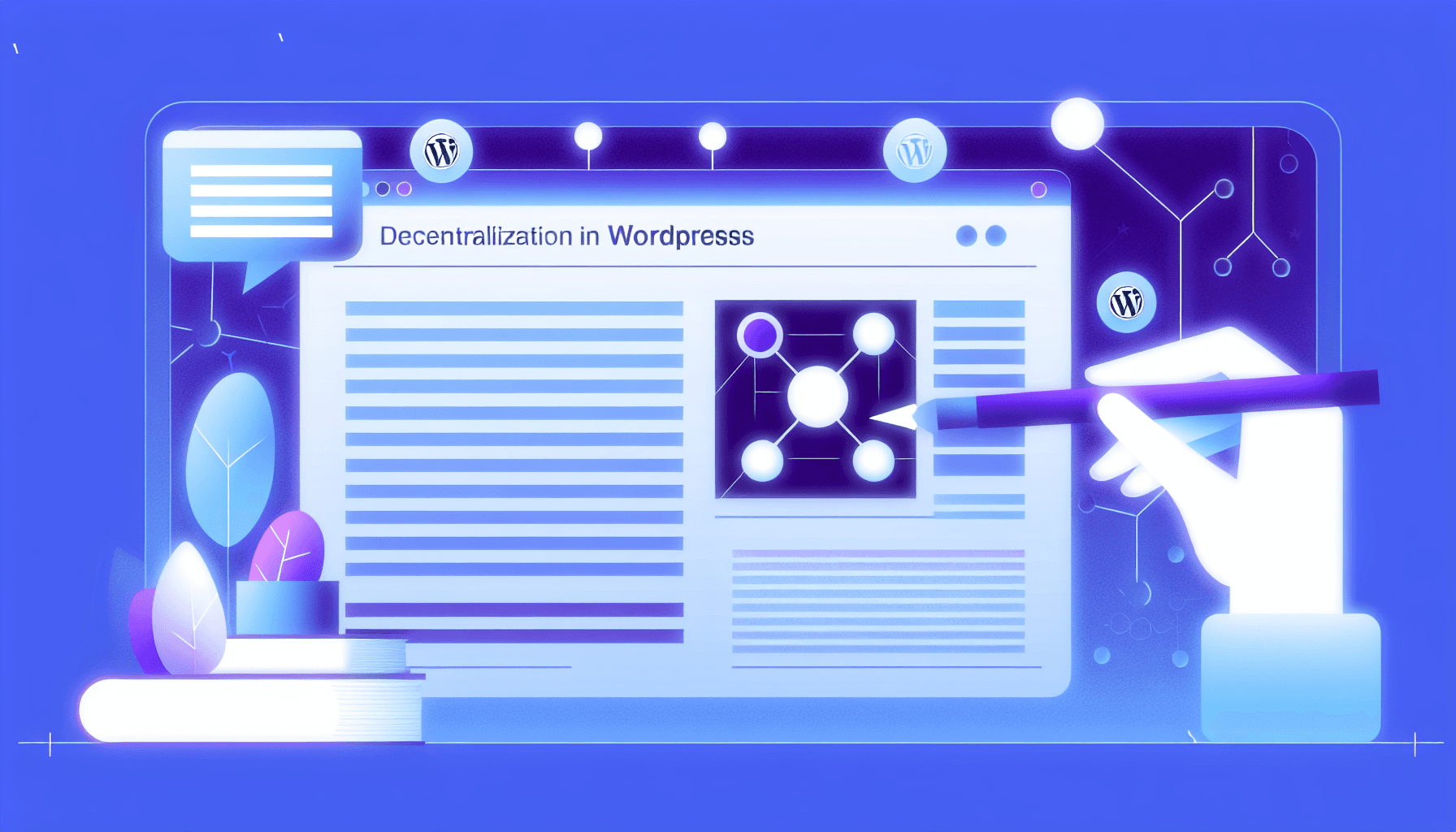
In simple terms, decentralization allows users to take control of their data, rather than relying on a single entity. In the context of WordPress, this means moving beyond centralized platforms and enabling users to host their content independently.
The Principles of Decentralization
Decentralized systems operate on principles that prioritize transparency, security, and privacy. Consider these key features:
- User Empowerment: Users retain ownership of their data.
- Resilience: No single point of failure.
- Interoperability: Seamless interaction between various platforms.
Take, for instance, the rise of federated social media platforms like Mastodon, which let users maintain control over their identities and connections. Similarly, WordPress can evolve to support a decentralized ecosystem, allowing for a richer, more user-centric approach to content creation.
The Role of WordPress in Decentralized Publishing
So, how does WordPress fit into this narrative? With its open-source foundation, WordPress is uniquely positioned to embrace decentralization. Many developers are already exploring solutions to turn WordPress sites into nodes within a decentralized network.
Case Studies in Decentralized WordPress Solutions
Projects like IndieWeb champion the idea of personal web ownership, allowing users to own their content and syndicate it across multiple platforms. Another notable example is WP decentralized, a project aimed at creating an open-source plugin that facilitates peer-to-peer interactions.
Decentralization changes the power dynamics of content management and ownership.
These initiatives are just the tip of the iceberg, but they showcase the potential for WordPress to serve as a backbone for decentralization in publishing. They not only advocate for user autonomy but also challenge existing norms in the industry.
Technical Challenges and Opportunities
Embracing decentralization isn’t without its obstacles. Technical hurdles like scalability, security, and user experience need to be navigated carefully. You should take a moment to think about how these challenges can be addressed:
Anticipating the Challenges
- Scalability: Can your current WordPress environment handle a significantly increased load?
- Security: Decentralized systems must incorporate rigorous security measures to protect user data.
- User Experience: Simplifying the onboarding process to attract non-technical users is crucial.
Knowing these challenges allows you to become proactive rather than reactive. Start building solutions that prioritize security and ease of use, and you’re likely to find success.
Practical Takeaways: What You Can Do Now
How can you start contributing to this decentralization movement? Here are actionable steps to implement in your WordPress projects:
- **Explore Decentralized Plugins:** Investigate existing plugins that facilitate decentralized publishing, and consider how they can integrate into your workflow.
- **Educate Your Clients:** Spread awareness about the benefits of decentralized systems. Clients are increasingly concerned with data privacy, and understanding decentralization can give you an edge.
- **Engage with the Community:** Participate in forums or local meetups to discuss decentralization and its impact on the WordPress ecosystem.
Looking Ahead: The Future is Decentralized
Decentralization poses a profound shift in content management and ownership structures. By diving headfirst into this emerging trend, you’re not just adapting to change—you’re becoming a pioneer in shaping a more equitable digital landscape.
As we move toward a decentralized future, think about how your role in WordPress can evolve. Will you be a developer creating tools for empowered users, or a designer crafting experiences that prioritize user autonomy? The choice is yours, and it’s a critical one.