Why Decentralization Matters in WordPress
The phrase “decentralization” is becoming an industry buzzword, yet its implications extend far beyond the hype. It’s reshaping the landscape of digital publishing and challenging traditional top-down content control in powerful ways. If you’re a designer, developer, or agency owner, understanding this paradigm shift could redefine your approach to creating and managing content.
As makers and influencers in the WordPress community, your choices shape not only your projects but also the digital experiences of millions. Each time you opt for a solution that prioritizes decentralization, you contribute to a more equitable and accessible digital ecosystem. The stakes are high—failure to adapt could leave your work less relevant amid a rapidly evolving web.
Understanding Decentralization: A Brief Overview
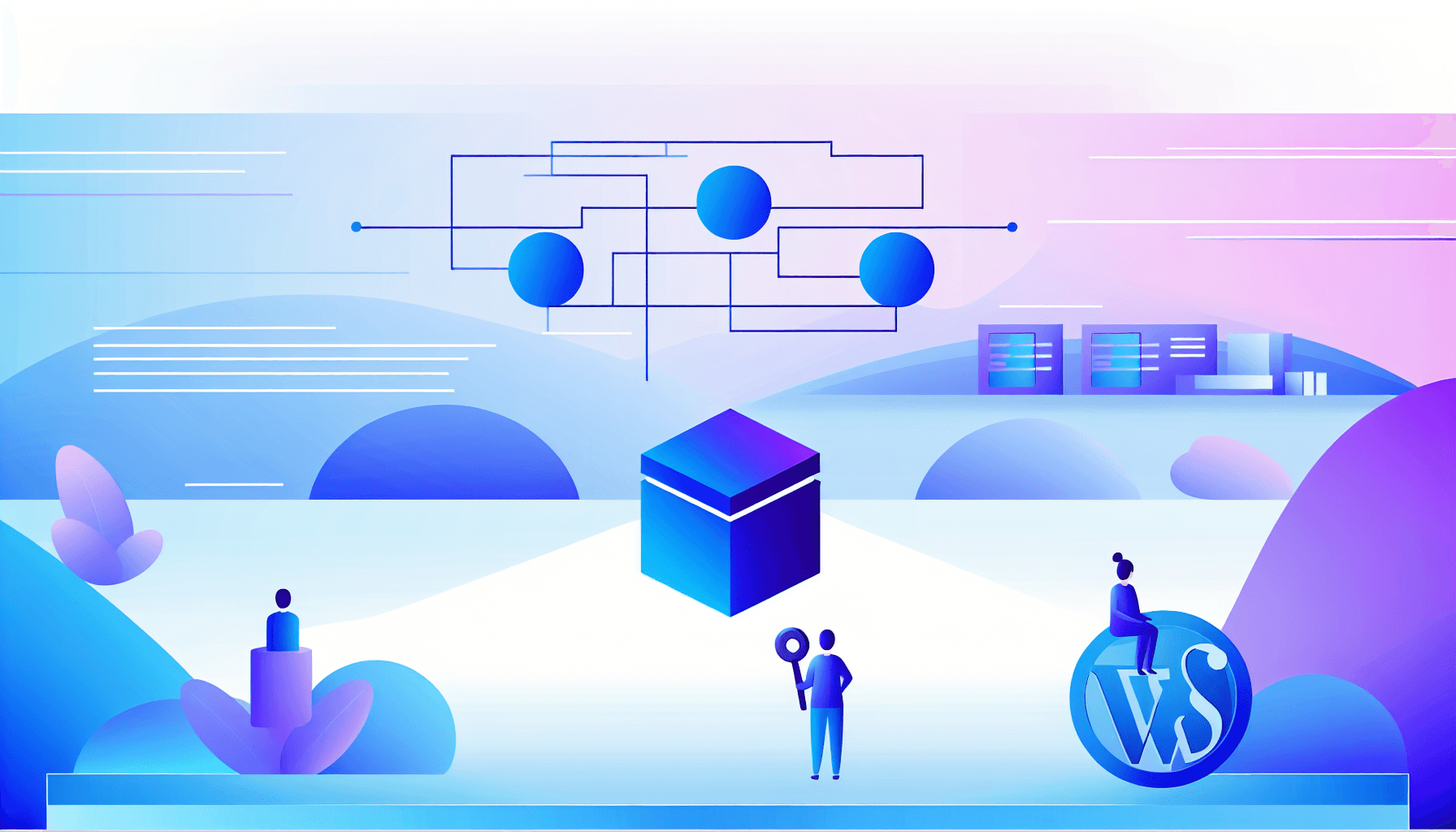
Decentralization refers to distributing authority away from a central authority, allowing individuals greater autonomy. In the context of WordPress and online publishing, this translates to a fundamental shift in how content is created, stored, and distributed. Whether through self-hosted solutions, peer-to-peer networks, or blockchain technology, decentralization advocates for more control in the hands of creators.
Historical Context: The Evolution of Control
To grasp the current wave of decentralization, it’s crucial to look back. Historically, content publishing has been dominated by large platforms—think Facebook, Medium, or even traditional media outlets. These gatekeepers dictate what is seen and how it is filtered, often prioritizing engagement over authenticity.
Now consider the rise of WordPress: it democratized publishing by allowing anyone to create a website. But even WordPress can become sticky with plugin dependency or hosting solutions that complicate your autonomy. Decentralization pushes back against this trend. By developing alternate frameworks that thrive outside centralized systems, you can reclaim your voice.
Examples of Decentralized Platforms
While WordPress itself is a powerful tool for building websites, several plugins and projects push the envelope by incorporating decentralization principles.
- PeerTube: A decentralized video hosting platform that allows users to run their own media servers.
- ActivityPub: This open standard lets different social networking platforms communicate with each other, fostering a federated model of engagement.
- Web3 Technologies: Initiatives utilizing blockchain surfacing as the backbone for collaborative and secure content publishing.
Making the Shift: Practical Applications
However, transitioning to a decentralized model is not merely about choosing different tools. It’s about a mindset change for both content creators and consumers. How you adapt could have vast implications for community building and audience engagement.
“In a decentralized system, content is not just created; it is owned.”
Redefining Audience Engagement
With decentralization, audience interaction undergoes a transformation. You’re not just a voice broadcasted to the masses anymore; you’re part of a collective dialogue where your input shapes the community. Users begin to value platforms that offer genuine community interaction over those relying solely on algorithms.
When you publish each piece of content, consider its role in that broader discussion. Is it facilitating a conversation or merely pushing a product? Using decentralized platforms allows you to cultivate genuine connections with your audience—something traditional models often miss.
Challenges: Navigating the New Terrain
While decentralization promises autonomy, it does come with challenges. The technical complexity can be daunting, particularly if you’re accustomed to the user-friendly interfaces of traditional platforms. Moreover, the reliability of decentralized networks can vary, often leading to concerns about security and data integrity.
Here’s what to keep in mind:
- Start Small: Begin by exploring decentralized tools that integrate with your existing WordPress setup, rather than making a complete overhaul.
- Stay Informed: Follow communities that focus on decentralized web technologies to stay up-to-date on best practices and tools.
Practical Takeaways
As you navigate this evolving landscape of WordPress and decentralization, here are actionable steps to implement:
- Research decentralized plugins to enhance your existing WordPress site without losing functionality.
- Engage with online communities that share resources on decentralized publishing; this expands your knowledge base and support network.
Closing Thought: Embrace the Uncertainty
The advent of decentralization in WordPress isn’t just a trend; it’s a reformation. As you embrace this shift, think critically about the role of your content in an expansive digital ecosystem. Are you prepared to lead the way in this decentralized frontier, or will you cling to outdated models that stifle creativity and community?